

From Cathedral of Commerce to Catalyst of Culture
February 2026
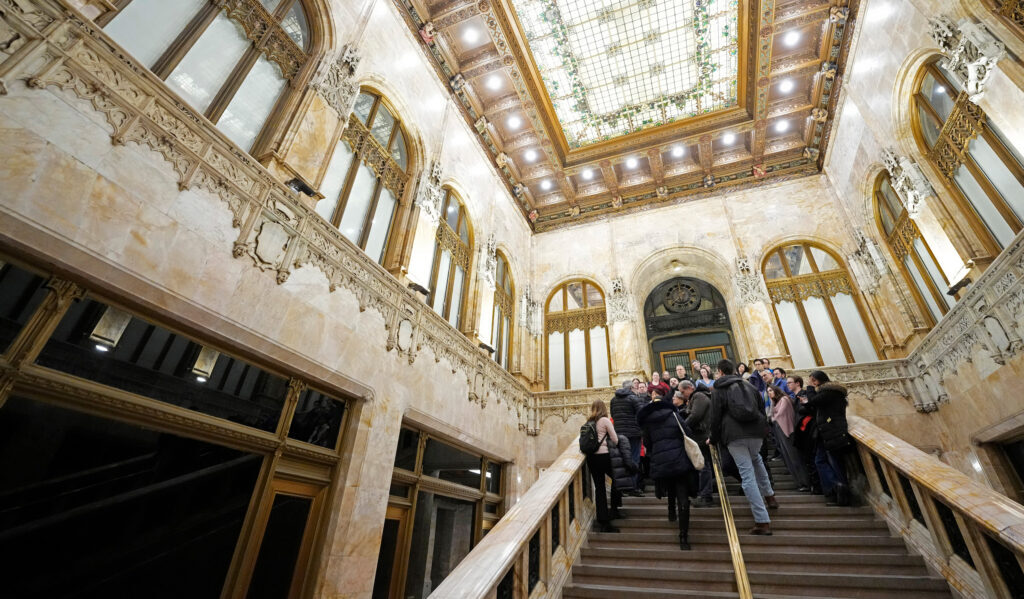
On January 28, LM Live and Untapped Cities gathered inside The Woolworth for an evening exploring the past, present, and future of one of New York City’s most iconic architectural landmarks.
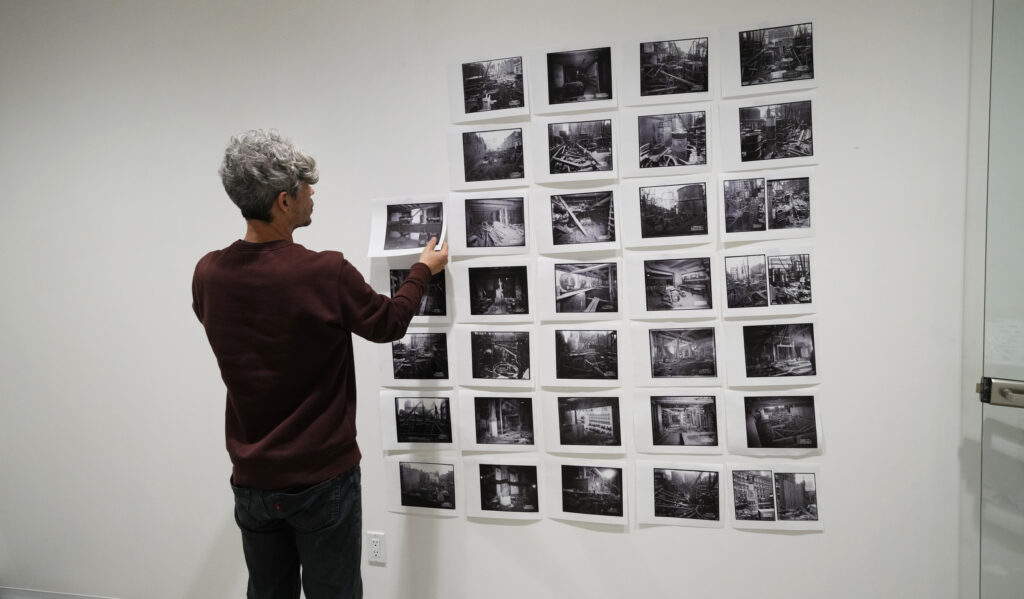
Held on the building’s 26th floor, the event brought together leaders in architecture, preservation, and design for a reception, a site-specific installation by Untapped New York artist-in-residence Aaron Asis, and a panel conversation on The Woolworth’s enduring significance in Lower Manhattan.
Moderated by Justin Rivers, Chief Experience Officer of Untapped New York, the panel featured Carol Willis, founder and director of the Skyscraper Museum; Gregg Pasquarelli, founding principal at SHoP Architects; Ron Castellano, founder of Studio Castellano; and Nate Rogers, partner at Beyer Blinder Belle Architects. Together, the panelists reflected on the building’s architectural legacy, its influence on Lower Manhattan’s skyline, and the role preservation and adaptive reuse play in shaping the city’s future.
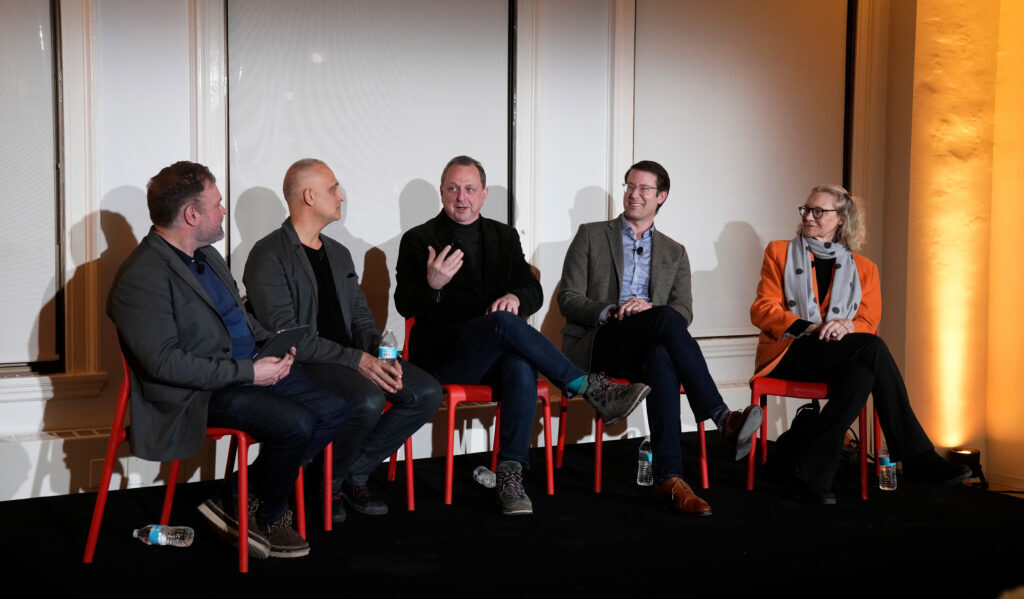
Designed by Cass Gilbert and completed in 1913 for F.W. Woolworth, The Woolworth has long been known as the “Cathedral of Commerce.” Throughout the evening, however, the conversation looked beyond the building’s commercial history to consider its continued relevance as a creative workplace and gathering space for new ideas.
Tonight, we’re not just talking about a building. We’re talking about what it means to preserve greatness, how cities evolve without losing their souls, and how architecture shapes the way we remember who we are and imagine who we might become.
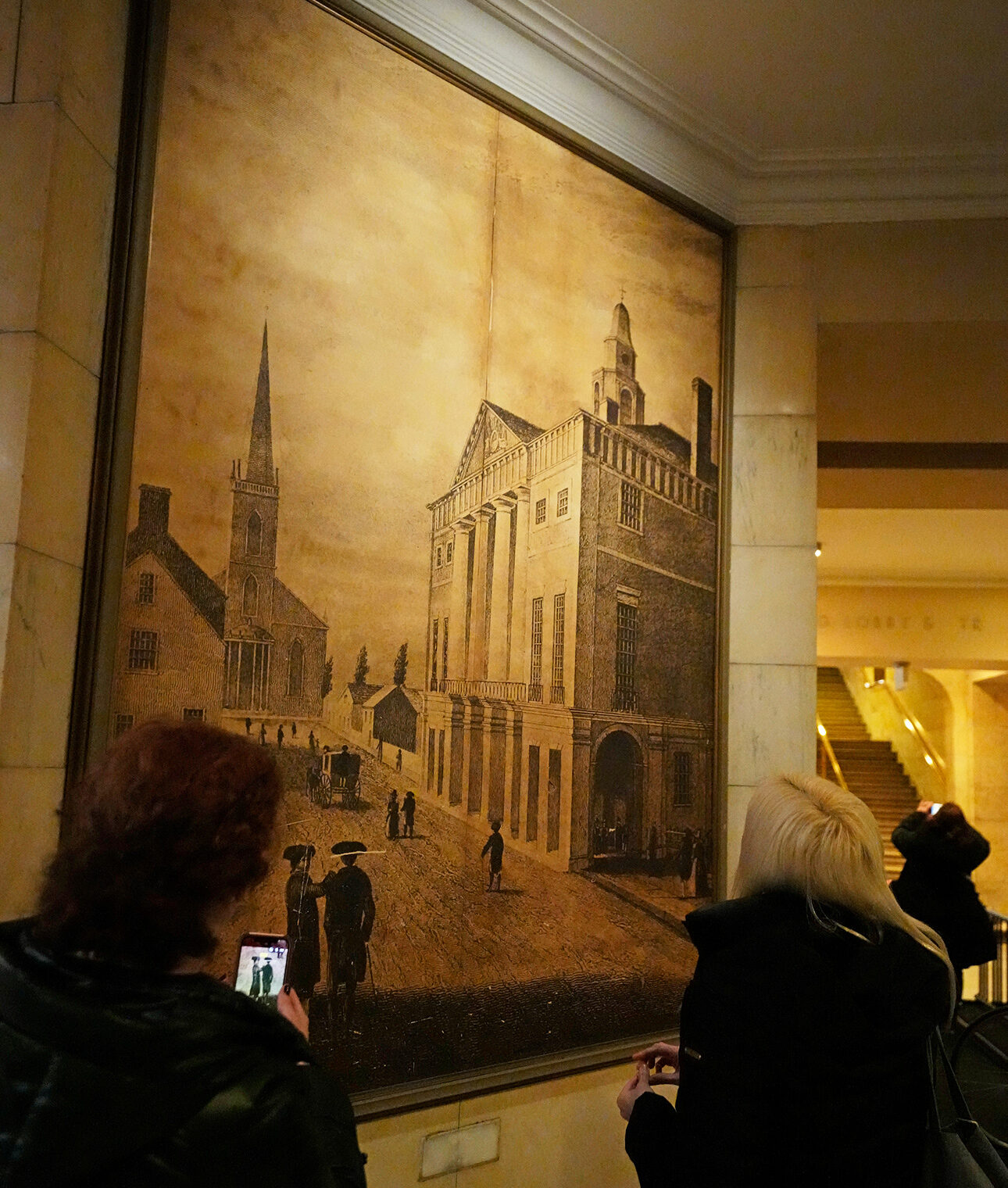
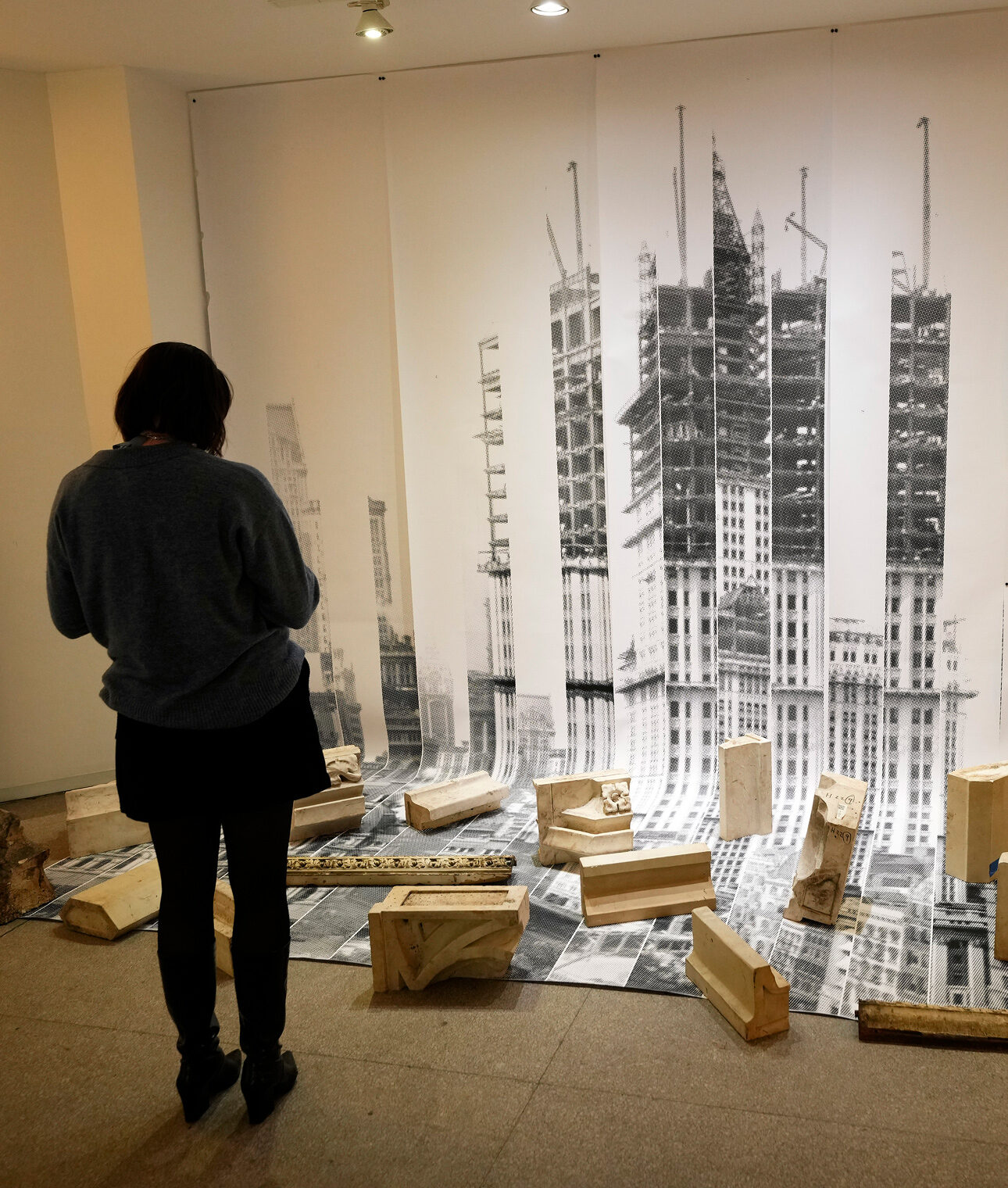
That perspective carried throughout the conversation. Willis described Cass Gilbert’s vision for The Woolworth as both a commercial tower and civic monument designed to inspire New Yorkers. Pasquarelli, whose firm SHoP Architects is headquartered in the building, reflected on how years of working within the landmark have influenced his own approach to design — noting the building’s terra cotta façade and Gothic ornamentation.
The panel also explored The Woolworth’s next chapter as Lower Manhattan continues to evolve. Rogers likened the building as a kind of “coral reef,” capable of supporting a rich and diverse ecosystem, while Castellano discussed opportunities to activate the landmark’s historic lobby and public spaces through future hospitality concepts.
For decades, The Woolworth was a symbol of commerce. Today, we’re exploring how a historic building can also become a platform for culture — a place where ideas are exchanged, creativity is visible, and business feels human again.
The evening reflected The Woolworth’s next chapter: one that honors its architectural legacy while embracing new opportunities for culture, community, hospitality, and creative exchange. More than a century after redefining New York’s skyline, the building continues to evolve as a place where history and new ideas meet.